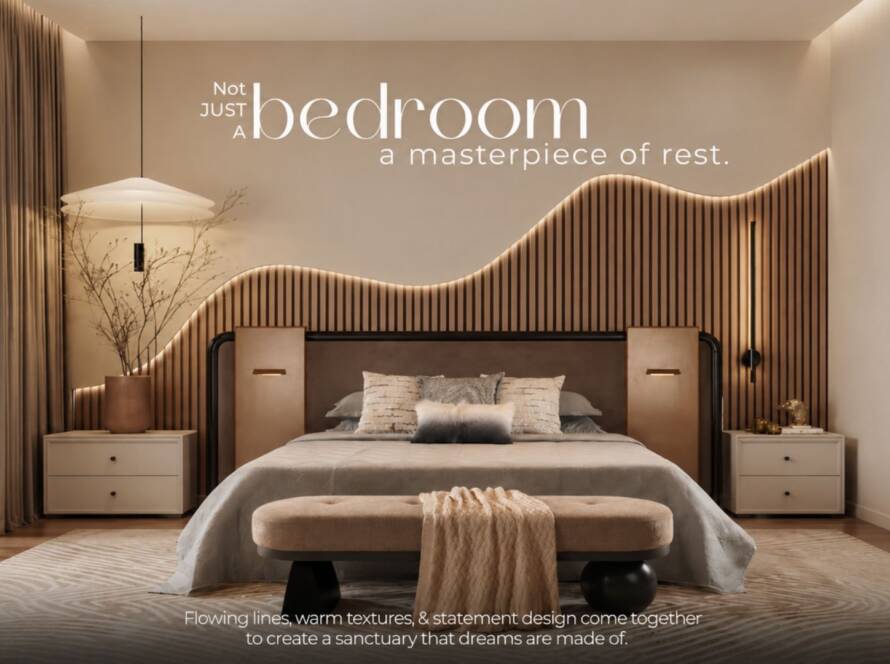
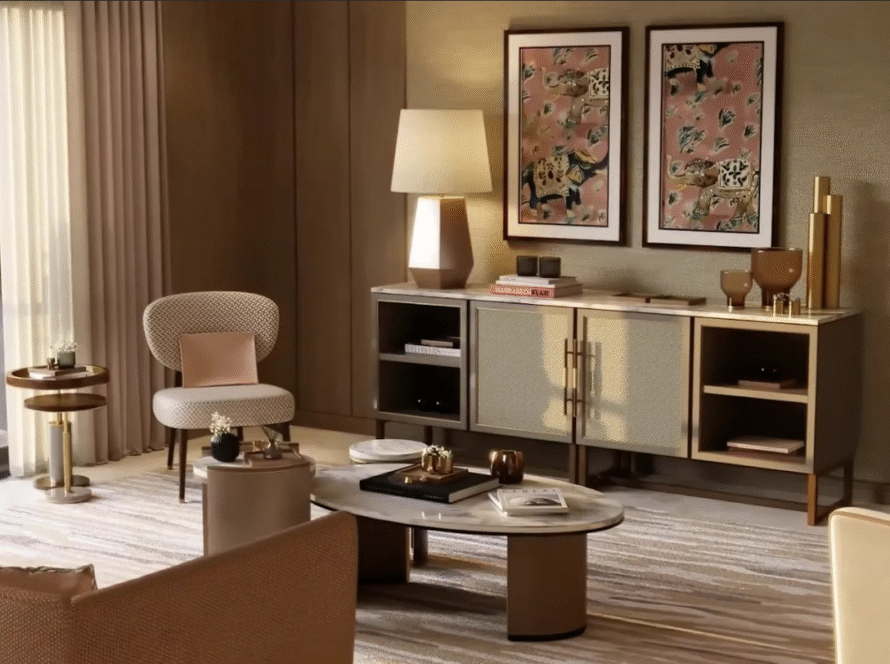
Furniture, often dismissed as mere decoration, actually serves a far more significant purpose. It establishes the ambiance, dictates a room’s functionality, and can even influence our perceptions of time and space. A genuine luxury furniture store recognizes this responsibility, curating pieces crafted with an emphasis on structure, clarity, and comfort, all with the aim of transforming interior environments.
At Indesign, furniture is approached as part of a larger design narrative. Every piece is carefully created with consideration for proportion, material integrity and craftsmanship in order to ensure it makes a meaningful contribution to its environment.
Understanding Luxury Through Design and Experience
Luxury in furniture can often be misconstrued as being solely visual in nature. While appearance plays an important role, what truly distinguishes a high-end store is how its products perform and fit seamlessly into everyday life.
An exquisite piece should:
Comfort over extended use, whilst upholding structural reliability, whilst remaining material and finish consistent and flowing seamlessly with the surrounding space, is what should be prioritized when creating long-term comfort for users.
Luxury can only truly be experienced through use — from how a sofa supports posture, anchors a room and keeps spaces organized without visual clutter.
Proportion in Luxury Furniture
Proper proportion is one of the cornerstones of high-quality furniture design. Pieces with perfect scale add harmony to a room, while miscalculated designs disrupt visual flow and throw off equilibrium.
At Indesign, every product is designed with spatial awareness in mind. As a luxury furniture store, we consider how furniture interacts with room dimensions, movement paths, and nearby elements when developing our designs.
A sofa should define seating without overpowering the room, while tables must offer functionality without restricting openness. Storage units must provide ample capacity without adding visual weight.
Respecting proportion creates an atmosphere of equilibrium and coziness in any space.
Material Integrity and Selection.
Material selection is central to Indesign’s identity as a luxury furniture store. Material choices are chosen based on durability, texture and how well they contribute to creating an ambiance in a space.
Common materials include solid wood and veneers for strength and warmth; stone and marble surfaces provide durability and grounding; metal elements provide structural clarity, whilst textiles and leather provide comfort and tactile balance.
These materials are carefully combined in each piece to achieve consistency and depth in each design. Our goal is not to add visual complexity; our objective is to produce furniture that feels cohesive and secure.
Craftsmanship as an Essential Standard
Craftsmanship is not optional in a luxury furniture store – it is required for every piece. Each must demonstrate precision in construction and uniformity in finish.
At Indesign, furniture is produced via an organised process that emphasises:
Accurate joinery, stable internal frameworks, smooth and durable surface finishes and upholstery designed for long-term comfort are hallmarks of quality construction.
With such care taken towards furniture maintenance, its form and function will endure over time.
Customisation and Personalisation Options Available
One of the hallmarks of a luxury furniture store is its ability to custom-fit furniture to individual spaces. No two homes are the same, and furniture should reflect this diversity.
Indesign offers customisation across:
Furniture that can easily accommodate different dimensions and configurations allows it to blend more seamlessly into its environment, creating a more harmonious setting. Taking this into consideration, furniture has more opportunities for customisation to ensure a unique space experience.
Furniture as Part of Spatial Design
Furniture should not simply exist as standalone objects within a room; rather, it should help create the overall composition of space.
An attentive luxury furniture store crafts pieces that:
Maintain visual clarity within open layouts
support movement and flow interact with light and surrounding materials
By approaching furniture as part of spatial design, Indesign ensures that each piece enhances rather than competes for space in any given room.
A New Approach to Luxury Furniture Design
Indesign operates as a luxury furniture store that prioritises clarity, proportion, and craftsmanship in our collections designed for modern living while upholding an established design identity.
Each piece is created with the intention of:
Balanced proportions, durable materials and precise construction allow for adaptability to different spaces.
Instead of simply decorating interiors, Indesign emphasises thoughtful design – furniture that performs reliably while fitting seamlessly into interior environments.
Conclusion
A true luxury furniture store goes beyond offering attractive products; they provide furniture that enhances comfort, maintains structure and creates spaces where individuals can experience themselves more freely.
At Indesign, furniture is created with purpose – combining proportion, material integrity and craftsmanship into pieces that enrich everyday living.
Focusing on clarity and function, Indesign strives to craft interiors that feel balanced, comfortable, and well considered.
FAQs