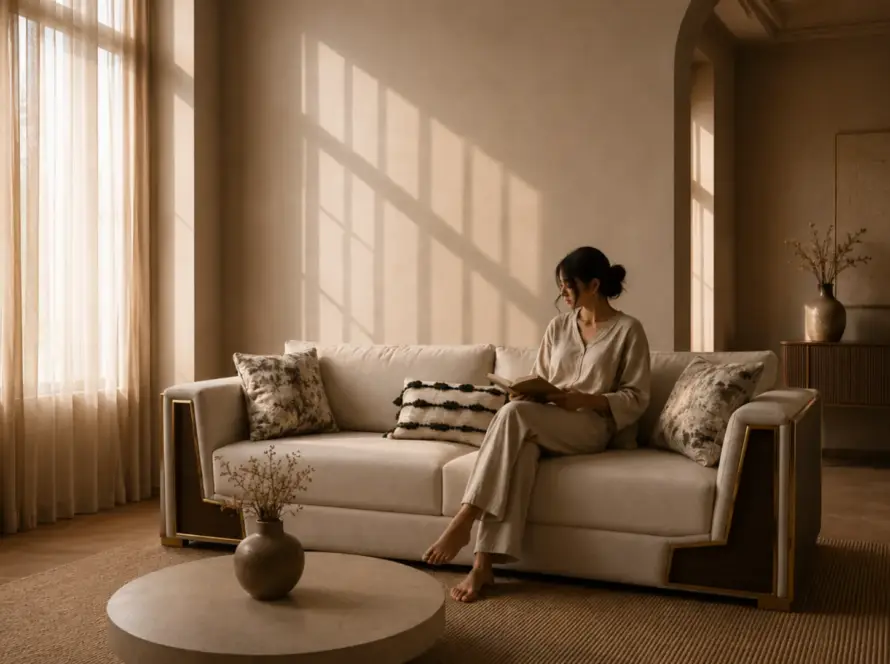
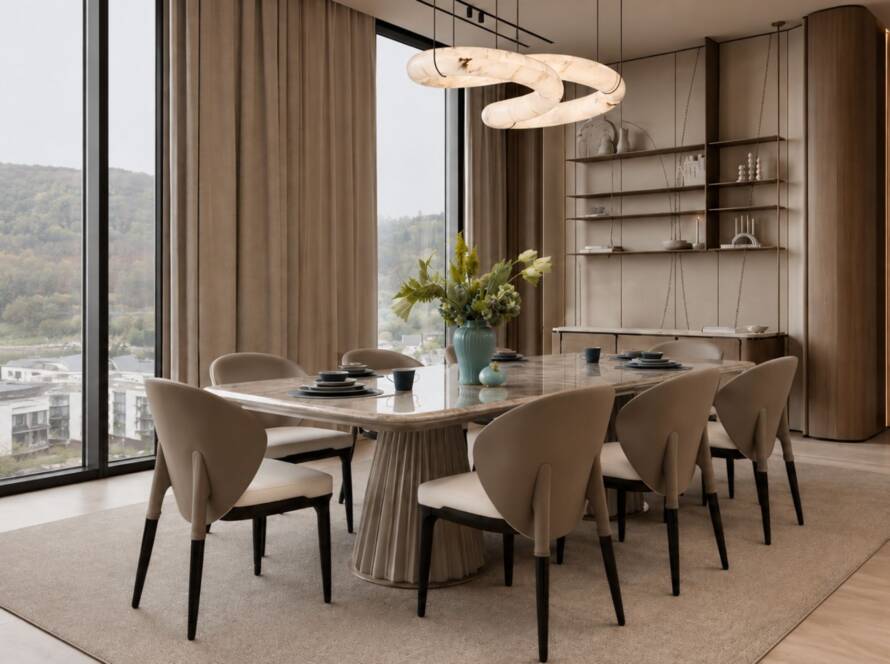
Modern interiors are no longer designed around excess. Today, homes are shaped through balance, material depth, and pieces that feel connected to the way people live. Furniture plays a central role in this transformation, influencing not only how a space looks but also how it functions and feels over time. In this evolving design landscape, bespoke furniture has become increasingly important for homeowners seeking spaces that feel personal, refined, and carefully considered.
At Indesign, the process of furniture design begins with understanding the relationship between architecture and everyday living. As a premium furniture store and established bespoke furniture store, the focus remains on creating furniture that aligns naturally with the proportions, materials, and rhythm of modern homes. Each piece is designed to contribute to the environment rather than simply occupy it.
One of the defining characteristics of bespoke furniture is its ability to respond directly to space. Standard furniture often forces interiors to adapt around fixed dimensions and layouts, while custom furniture allows the design to evolve according to the architecture itself. This flexibility creates interiors that feel more resolved and functional.
In urban homes where space is carefully planned, proportion becomes especially important. A sectional sofa may need to follow the flow of an open-plan layout, while a dining table must accommodate movement without making the room feel crowded. Storage systems may need to maximize functionality while maintaining visual clarity. As a living room furniture manufacturer, Indesign approaches these challenges through carefully considered dimensions and balanced compositions.
Furniture designed specifically for a space naturally creates better harmony within the room. Visual flow improves, circulation remains uninterrupted, and the relationship between objects feels more intentional. This is one of the reasons bespoke furniture continues to shape modern interiors in meaningful ways.
Material selection also becomes more thoughtful within custom furniture design. Every material contributes to how a room feels, from the warmth of wood to the grounding presence of stone surfaces. At Indesign, materials are chosen not only for durability but also for how they interact with light, texture, and surrounding finishes.
Solid wood introduces stability and warmth, while metal detailing provides structure and definition. Upholstery softens the composition and supports comfort, creating balance between visual clarity and everyday usability. Stone and marble surfaces add depth and tactile contrast, allowing furniture to feel more connected to the architecture of the home.
As both a premium furniture store and luxury furniture store in Delhi, Indesign focuses on material combinations that feel balanced rather than excessive. The goal is not to overwhelm the interior with ornamentation but to create spaces where textures and forms work together naturally.
Craftsmanship remains at the center of this process. Bespoke furniture requires a level of precision that goes beyond standard manufacturing. Every dimension, finish, and structural detail must align accurately to ensure that the final piece integrates seamlessly into its environment.
At Indesign, construction is approached with the same discipline as design. Internal frameworks are reinforced for durability, upholstery is shaped carefully for comfort, and joinery is refined to maintain structural consistency. Surface finishes are applied thoughtfully so that materials retain their natural character while remaining suitable for everyday use.
This attention to detail allows furniture to perform reliably over time while maintaining a strong design identity. Craft is not treated as decoration but as an essential part of how furniture supports modern living.
Customization also creates opportunities for greater individuality within interiors. Homeowners today often seek spaces that reflect their routines, preferences, and architectural sensibilities. Through bespoke furniture, rooms become more closely aligned with the people using them.
A media unit can be designed to suit specific storage requirements, a sofa can be configured around movement within the room, and a dining table can be proportioned according to the scale of the space. These refinements create interiors that feel more personal and resolved.
As a luxury furniture store, Indesign views customization as a collaborative process between design, craftsmanship, and the homeowner’s vision. The result is furniture that feels integrated into the home rather than selected independently from it.
The role of furniture within modern homes continues to evolve as lifestyles change. Living rooms have become multifunctional spaces, bedrooms prioritize comfort and organization, and dining areas often connect seamlessly with larger open layouts. Furniture must therefore support flexibility while maintaining clarity and structure.
This shift has increased the demand for thoughtful, well-crafted interiors that prioritize usability alongside aesthetics. As a living room furniture manufacturer and bespoke furniture store, Indesign continues to respond to these needs through collections that emphasize proportion, material depth, and careful execution.
The experience of a home is shaped not only by architecture but by the furniture within it. Every sofa, table, storage unit, and chair contributes to how spaces are lived in daily. When designed thoughtfully, furniture creates environments that feel balanced, functional, and connected to the routines of modern life.
At Indesign, this philosophy continues to guide every collection, bringing together craftsmanship, customization, and contemporary design to shape homes that feel composed and deeply considered.